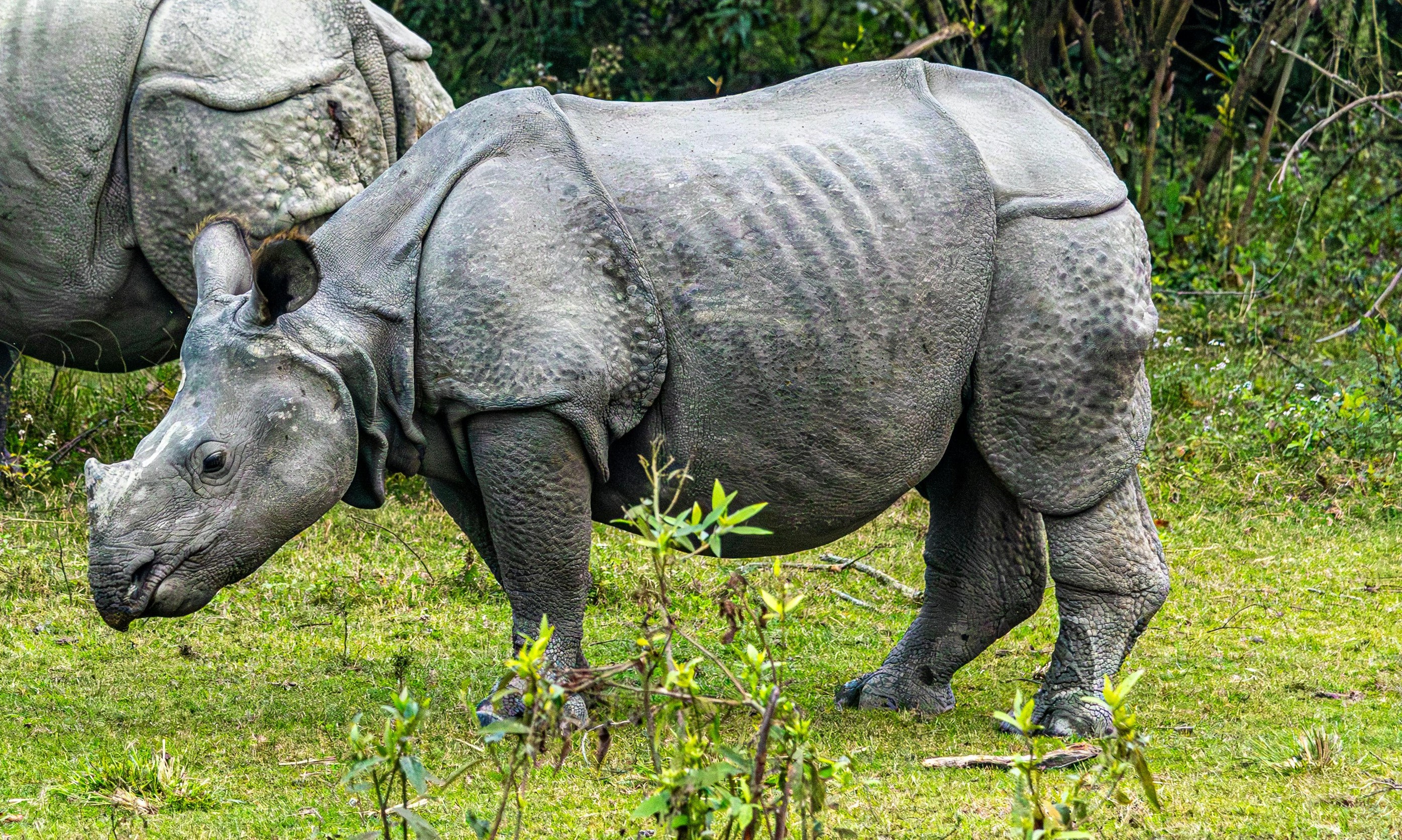
Assam’s One-Horned Rhino
PRIDE OF THE NORTHEAST
Assam’s one-horned rhino is a quiet giant of India’s wild heart, a symbol of strength and endurance.
Once near extinction, it now stands as a triumph of conservation and community effort. It shapes grasslands, supports biodiversity, and lives deeply in Assamese culture and pride. To protect the rhino is to protect heritage, land, and hope for generations to come.
A Symbol of Strength and Identity
Assam’s one-horned rhino is not just wildlife. It is history, spirit, and pride walking on four legs. Found mostly in Assam, this gentle giant represents the resilience of a species and the determination of people who refused to let it disappear.
Once nearly wiped out because of hunting and habitat loss, the Greater One-Horned Rhino today stands as one of the world’s greatest conservation success stories. Its survival is a reminder that when humans choose to protect instead of exploit, nature responds with grace.
A Species Older Than Time
This rhino has walked the earth for millions of years. Its thick skin folds look like natural armor, yet its nature is calm and dignified. The horn, often misunderstood and illegally targeted, is made of keratin, the same material as our hair and nails. There is nothing mystical about it — the real magic lies in the rhino’s presence itself.
How Assam’s Rhino Shapes Nature
The one-horned rhino is an architect of the grasslands. As it grazes, it maintains open fields, creates natural pathways for smaller animals, and spreads seeds through the soil. Where rhinos thrive, biodiversity breathes. Losing them would reshape entire ecosystems, proving that conservation is never about saving just one species — it is about safeguarding balance.
Rhinos in Assamese Culture
In Assam, the rhino lives not only in the wetlands but in the collective heart. It appears in folk tales, traditional motifs, state emblems, and everyday pride. To the Assamese people, the rhino is a guardian of the land and a symbol of quiet strength. Protecting it is protecting identity.
Assam Rhino vs African Rhinos: What Makes It Different? A Unique Species in a Unique Landscape
Rhinos are found in Africa too, but Assam’s one-horned rhino stands apart. African rhinos typically have two horns and roam vast savannas. The Indian rhino has one horn and thrives in riverine grasslands and tall elephant grass, especially along the Brahmaputra floodplains. Its skin folds form a striking natural armor, giving it a prehistoric grace.
Each species belongs to its landscape. Assam’s one-horned rhino remains one of the rarest and most distinctive, and Assam continues to be its strongest refuge.
Challenges Still Remain
Even with today’s success, the work is not over.
Poaching pressures still exist. Wetland habitats shift with floods and climate change. Human encroachment brings new risks. Protecting the rhino means constant vigilance, community participation, and continued respect for nature. Saving the rhino is not just saving an animal. It is preserving a legacy.
Why This Story Matters
The rhino teaches us that strength can be quiet. Survival does not need to roar. Sometimes resilience looks like a massive animal grazing by a riverbank, shaping land with every slow step, refusing to vanish.
Assam did not only save a species. Assam saved a part of its soul.
Travel With Purpose
At Purvi Discovery, we believe travel should honor nature, not simply admire it from afar.
Come explore Assam with us. Learn about the land that protects its giants. Witness the legacy of the one-horned rhino in its true home.
Plan your meaningful Assam journey with Purvi Discovery — where travel respects heritage and celebrates life.