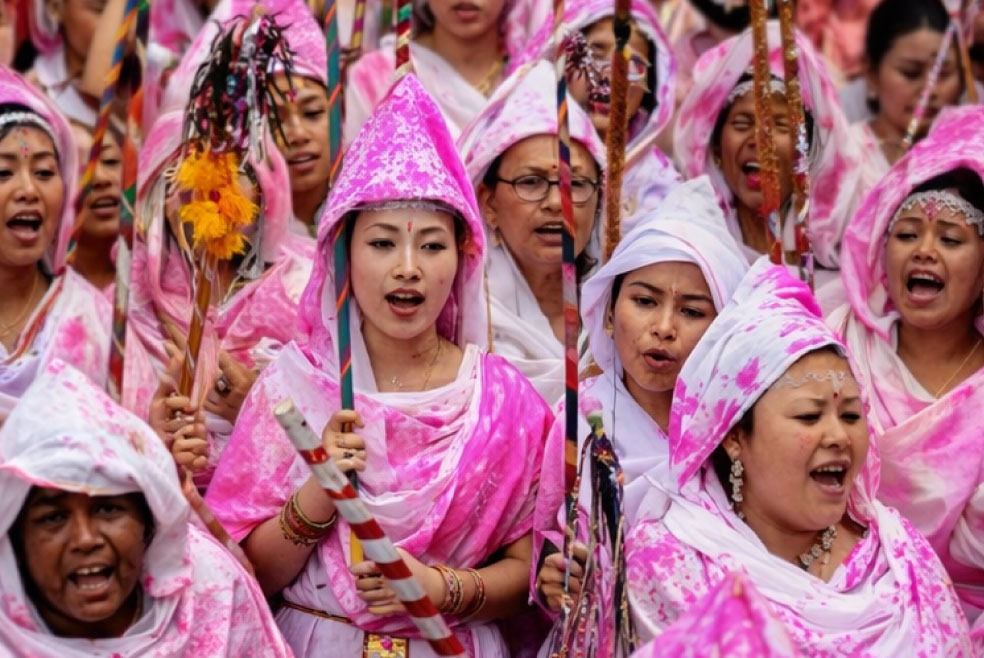
Holi in Northeast India: Ritual, Community, and the Colors of Spring
In most parts of India, Holi is associated with all that is loud - color-filled streets, music dripping out of packed communities and clouds of colored powder floating in the air. In Northeast India the festival has a more intimate and quiet nature. The delight and symbolism of spring are still present but celebrations are typically very localized and are based on communal activities and rituals as well as spirituality.
Instead of massive spectacle, focus is placed on cultural attachment, season renewal and experience. To the travelers who desire genuinely Assam cultural tour or a more Assamese traditional experience, observing Holi in this part of the world presents a rare opportunity of a peep into the life of the locals. Travelers exploring the region with Purvi Discovery often find these experiences deeply meaningful.
Assam: Holi as Dol Jatra
Dol Jatra, a Vaishnavite festival of lord Krishna is closely linked to Holi in Assam. The festival is especially lively in towns that have a high devotional culture, with satras (Vaishnavite monasteries), and namghars (community prayer halls) taking over.
The idols of Lord Krishna are mounted on well decorated palanquins and are organized in devotional processions throughout towns during Dol Jatra. These processions are escorted by the traditional Assamese music, beat of drums and singing of devotional songs. Artificial colors are used kindly as blessings and not childish play. This harmonious feast is a sign of more spiritual values of Assam cultural traditions.
The origins of such celebrations are dated to the doctrines of the saint-scholar Srimanta Sankardev of the 15th century, whose philosophy established the Vaishnavite Assamese culture. His impact is also present in these days rituals, music and community celebrations which characterize Assamese festivals today.
Dol Jatra can be considered an ideal destination by visitors who want to experience immersive traveling, as the event will give them a chance to observe the living heritage and devotional culture, which is the traditional Assamese culture. Cultural journeys curated by Purvi Discovery often highlight these authentic festival experiences.
Most of the travellers also accompany this festival with Assam country side tours, rural villages, traditional houses and local temples to expose the daily beat of Assamese life.
Outside Festivals: Nature and Culture in Assam
Cultural feasts are one of the attractions, but Assam is also famous because of the unbelievable natural scenery.
Numerous tourists that visit the area during festivals such as Dol Jatra also visit the region by taking an Assam wildlife tour, which covers popular national parks including Kaziranga and Manas. These reserves harbor the one-horned rhinoceros, wild elephants and an amazing array of plant and animal life.
Assam too is the haven of bird lovers. Wetlands, forest, and river islands are a perfect habitat of hundreds of species, and an Assam birdwatching tour is an experience that nature lovers will remember.
Fusion of cultural festivals with nature exploration will enable the tourists to experience the spiritual and natural diversity of the area, something that travel specialists like Purvi Discovery help travelers explore in depth.
Manipur: Yaoshang, Five Days of Celebration
In Manipur, the festival is known as Yaoshang festival, a five day festival full of colors that mixes community joy with religious rituals.
The festival starts with the ritualistic burning of a small hut that is made of thatch, signaling the culmination of winter and the spring. During the following days, the neighborhoods hold sports events, cultural performances and community meetings.
The youths go door to door with donations towards social and culture programs - the tradition that helps to strengthen the bonds of the community.
Playing with color is a significant part of Yaoshang, however, the festival is also associated with Thabal Chongba, a festive folk dance that people perform in the open in the night. Groups of people sing and dance together under the moonlight which makes the atmosphere joyful, participatory and communal.
Tripura and Meghalaya: Distinct Celebrations, Shared Spirit
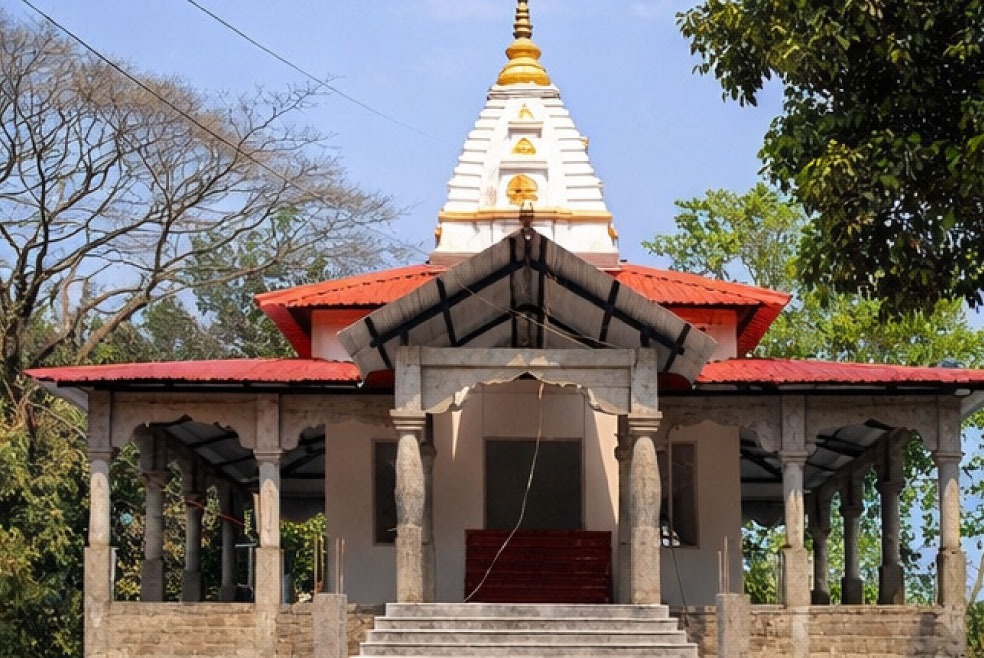
Holi festivals in Tripura show the Bengali Hindu customs of the state. Religious meetings, temple services and frolicsome color festivals help to bring out a celebratory mood in towns and villages.
In Meghalaya, the main religion being Christianity, the Holi festival is celebrated in a low profile. The urban centers like Shillong have Hindu communities that celebrate the festival by holding neighborhood programs, taking meals together and the color play.
The festival in the two states is community based and personal. The families visit each other, the sweets are given, and spring is celebrated with the help of significant local folklore.
A Festival Shaped by Landscape and Culture
The most outstanding thing about Holi in Northeast India is that each of the regions takes the festival in their way keeping their own identity.
The combination of devotional traditions, native traditions, and the rhythm of nature is natural and forms celebrations that seem to be true to the core. To the tourists, this can be a refreshing look on a festival that is familiar.
Holi in the Northeast does not have days of swarming crowds but presents us with a more considerate and cultured festival.
You are visiting an Assam cultural tour, the Assam country side tours, Dol Jatra, a combination of your trip with Assam wildlife tour or Assam birdwatching tour, the region is a trip to remember in nature and cultural experience.
Purvi Discovery designs immersive travel experiences to Northeast India linking travelers to the local people, professional cultural researchers, and regional traditional festivals like Dol Jatra in Assam and Yaoshang in Manipur - to make meaningful journeys that transcend the ordinary in tourism.