Tea, Romance, and Bridgerton: A Regency-Era Love Affair (With a Classic Tea Cake to Try at Home)
One of the reasons Bridgerton feels so intoxicating is its pace. Romance in that world is unhurried. Desire unfolds slowly, across rooms and glances, over porcelain teacups rather than dramatic declarations. Tea is not a background prop. It is the environment within which intimacy, power, and social navigation begin to take shape.
The series captures something true to the Regency period.
Tea was not merely a beverage. In a society characterized by restraint, daily life was organized around a ritual that structured the day and offered opportunities for socializing. The same type of ritual and slowness draws contemporary visitors to immersive experiences such as Assam tea tourism, where the tea community is engaged as lived cultural heritage rather than a spectacle.
Why Was Tea So Central to Regency Romance?
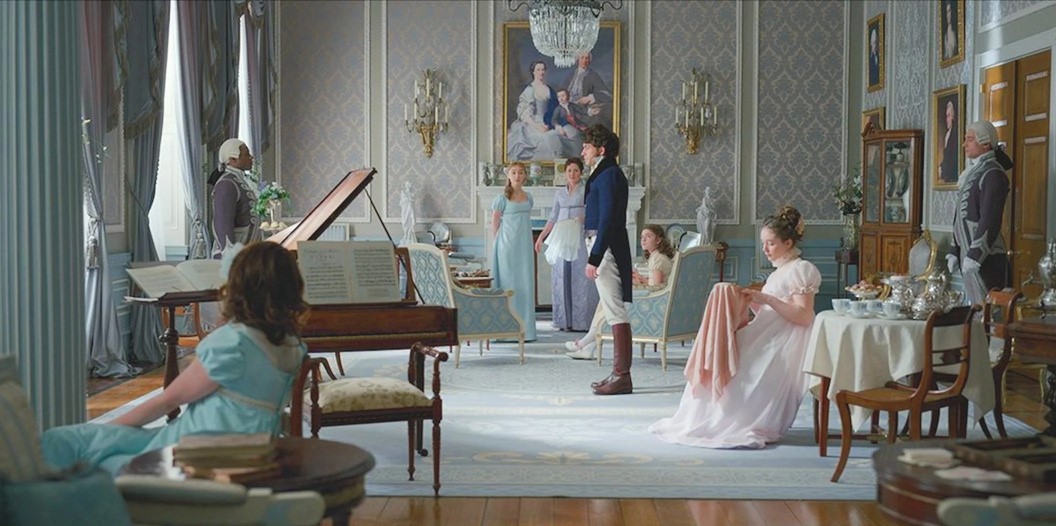
By the nineteenth century, tea was an established part of English culture. Afternoon tea was a socially acceptable frame for conversation and romance. In contrast to public balls, which functioned as social theatre and casual entertainment among strangers, the tea setting was intimate, controlled, and exclusive.
It was in these quieter settings that reputations were formed and intentions tested. Conversations unfolded at a measured pace, leaving room for looks and pauses, silences and subtle shifts. Tea carried an element of social risk and restraint, while allowing connection to deepen. The same is true of Assam tourism experiences that focus on slow living and tea, where the intimacy of the estate setting is central to their appeal.
The Tea Table as a Space of Female Authority
Tea was one of the few social rituals governed almost entirely by women. The hostess decided who was invited, how guests were seated, what was served, and how the afternoon unfolded. Hosting tea well was not a trivial accomplishment. It signaled discernment, social intelligence, and quiet authority.
This is why so many pivotal moments in Bridgerton take place over tea. In a society where women were denied public power, the tea table became a space of observation and influence. Romance did not need to be loud to be effective. It simply needed to be well timed. That legacy of influence and domestic authority can still be felt when staying in heritage tea bungalows Assam, where hospitality, history, and quiet power intersect.
The Hidden Global Story Behind the Elegance
The elegance of Regency tea culture rested on a global system that was far less refined. During this period, Britain did not cultivate its own tea. It relied on imports from China, paid for with silver extracted through colonial exploitation across the Americas and Asia. This imbalance enabled the expansion of British tea cultivation in India and Assam.
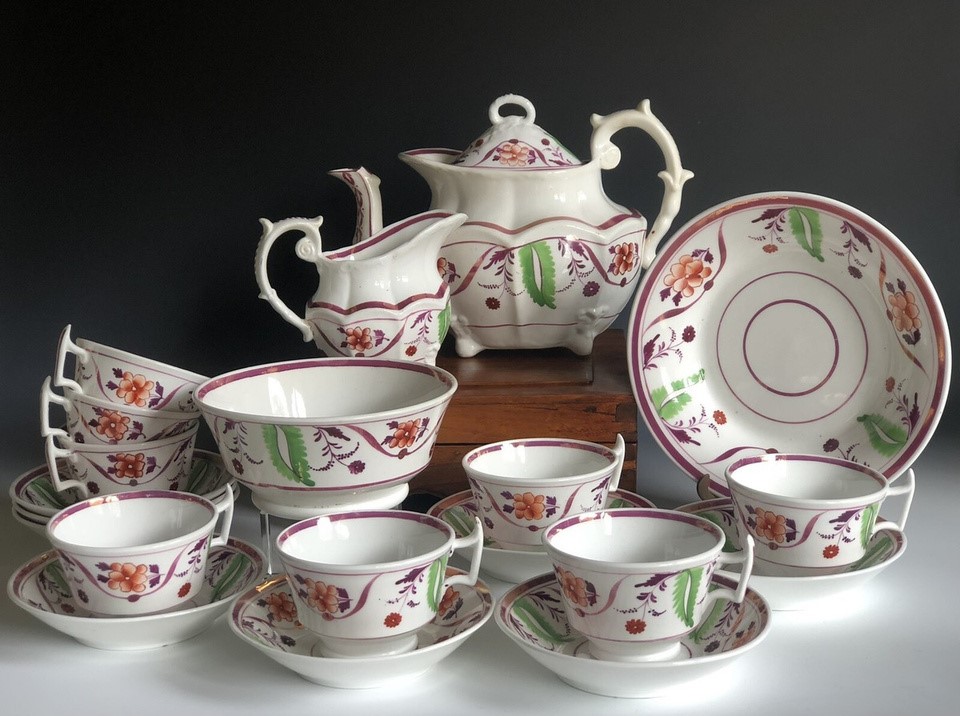
The porcelain cups and carefully poured brews carried the weight of empire, extraction, and displacement. Acknowledging this history does not diminish the romance of the ritual. It deepens it, grounding fantasy in reality. To fully understand Assam tea tourism today, its beauty, history, and exploitation must all be held together.
What Makes Bridgerton-Style Romance Interesting
Unlike modern romance, which often feels insincere or rushed, Bridgerton offers a sense of genuineness. It returns us to a time when intimacy was shaped by patience and presence.
Tea required people to sit down. It slowed conversation and sharpened awareness. In those pauses, connection had space to grow. That longing for slowness has not disappeared. It has simply been crowded out by noise. This is the same longing that draws travelers toward Assam tea tourism, where time stretches and presence matters more than itinerary.
A Bridgerton-Era Tea Recipe to Try at Home
Victoria Sponge Cake (Adapted for Indian Kitchens)
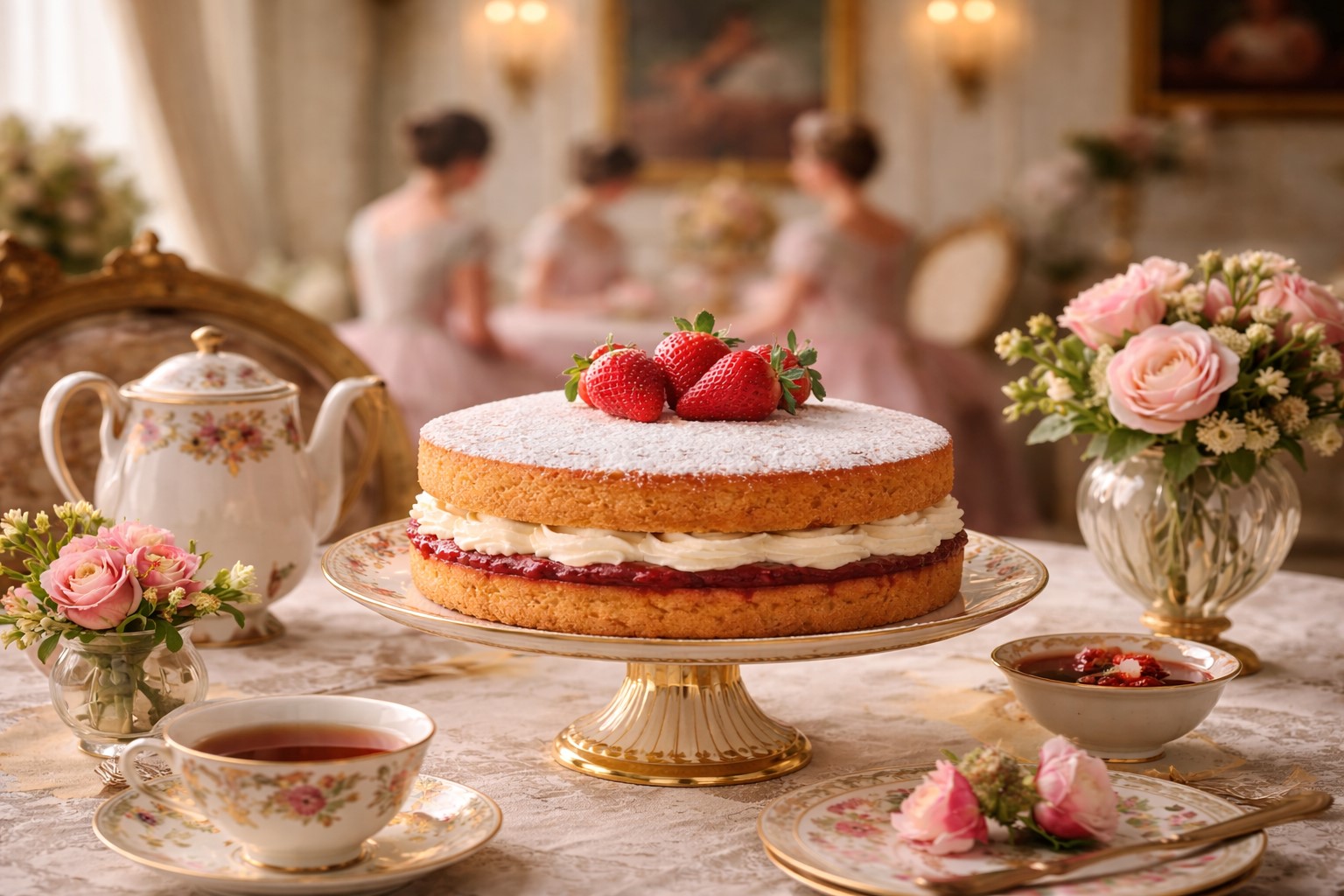
No Regency-inspired tea feels complete without a simple sponge cake meant to accompany conversation rather than overshadow it. The Victoria sponge became popular slightly later in the nineteenth century, but its understated elegance aligns perfectly with the spirit of the era.
This version is adapted for Indian kitchens, using familiar ingredients and measurements while preserving the light, balanced texture of the original.
To prepare the sponge, cream softened unsalted butter with fine sugar until pale and fluffy. Add eggs one at a time, mixing gently to keep the batter smooth. Fold in sifted maida with baking powder and a pinch of salt, then loosen the mixture with a little milk and vanilla essence. Divide the batter between two greased eight-inch tins and bake at 180°C until lightly golden and springy to the touch.
Once cooled, spread a generous layer of fruit jam over one sponge, add lightly whipped fresh cream if desired, and place the second sponge on top. Serve with black tea or a delicate Darjeeling, and allow the afternoon to stretch.
Romance, Then and Now
What Bridgerton ultimately reminds us is that romance does not require extravagance. It requires attention. Tea remains powerful because it creates a pause. It asks us to sit, listen, and be present with one another.
In a world obsessed with more, tea invites us to linger.
Discover Travel, Ritual, and Culture That Go Deeper
Purvi Discovery explores culture, history, and place through lived experience rather than spectacle. Romance today is found in the beauty of ritual and the context surrounding it.
If you appreciate ritual, storytelling, deliberate slow travel, and the beauty of the moment, follow Purvi Discovery for journeys that value depth, from immersive experiences in Assam to tea country.