Ziro Valley — A Landscape That Listens
Some places announce themselves immediately. Ziro does not.
Ziro Valley reveals itself slowly, the way trust does. Wide rice fields unfold between low hills. Pine forests soften the edges of the valley. Villages sit where they seem to belong rather than where they were planned.
Nothing here feels accidental. And nothing feels rushed.
Ziro does not try to impress you. It waits to see how you arrive — something travelers often discover during thoughtfully curated North East India tours.
A Valley Shaped by Balance
Ziro is located at an altitude that gives land breath. The mornings are cool and unrushed and the evenings come down without a show, and the days start mistily rising off the fields. The topography promotes calmness. The valley is broad not spectacular. The beauty of it is not scale but proportion, a silent beauty which is like the quietness that surrounds Heritage bungalows Assam wherein the landscapes beckon the visitor to decelerate and just exist within it. This terrain educates in moderation. You start to walk gradually unconsciously. Conversations stretch. The awkwardness of silence is eliminated - a unique experience that provides some depth to any immersive cultural tour of Assam.
The Apatani Worldview
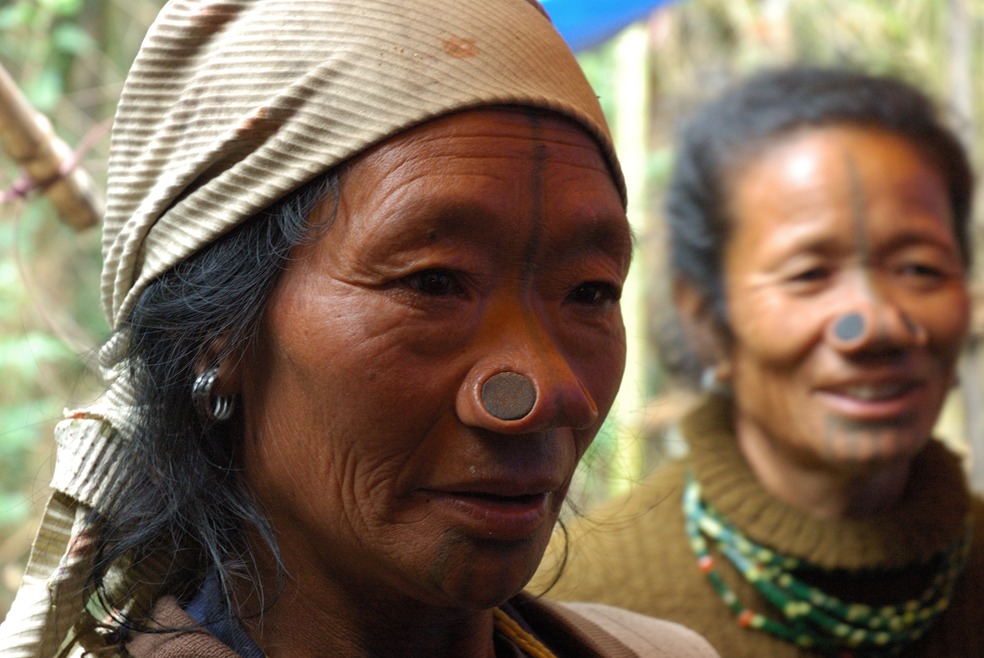
Ziro is home to the Apatani tribe, one of the most studied indigenous communities in India, not because they are rare, but because their systems work. Their wet-rice cultivation is a model of sustainability. Fields are irrigated using gravity-fed channels. Fish are raised alongside rice, creating a closed ecosystem that replenishes itself year after year.
There is no excess. No urgency. Only continuity.
What stands out most is how deeply community is embedded into daily life. Farming is collective. Rituals are shared. Decisions are not individual performances.
Ziro reminds you that independence and interdependence are not opposites — a philosophy respected by responsible North East tour operators like Purvi Discovery.
Villages Without Performance
Walking through Apatani villages, you notice what is missing. There is no staged authenticity. No one is trying to sell you an experience.
Homes are functional. Courtyards are active. Elders sit quietly, observing rather than explaining.
Children move freely between houses. Everyone seems to know where they belong.
As a traveler, you are not entertained. You are simply allowed to witness — the kind of meaningful engagement encouraged by Purvi Discovery in its North East India tours.
Time Works Differently Here
Ziro does not offer a checklist of attractions. There are no “must-see” spots that demand attention.
Instead, time becomes the experience.
Mornings unfold slowly. Afternoons feel suspended. Evenings are communal, often centered around food, conversation, and rest.
You stop asking what comes next. You start paying attention to what is happening now.
Beyond the Festival Narrative
Many travelers associate Ziro with its music festival, but that is only one brief chapter in the valley’s life.
Outside festival season, Ziro is quieter, more introspective. This is when the valley shows its true character.
The absence of crowds allows you to understand how culture exists when it is not being showcased — something that makes slow-paced North East India tours far more enriching.
Ziro’s strength lies in what remains when no one is watching.
Why Ziro Resonates With Slow Travelers
Ziro appeals to travelers who are not seeking novelty for its own sake. It speaks to those who value:
Cultural continuity over curated experiences
Observation over consumption
Presence over productivity
This is a destination for people who want travel to change their internal rhythm, not just their location — a perspective central to every Assam cultural tour designed by Purvi Discovery.
Traveling Ziro With Care
Ziro is not a place to rush through. It rewards those who arrive with humility and leave space in their itinerary.
Small homestays, local guides, long walks, and shared meals reveal far more than packed schedules ever could.
Purvi Discovery curates journeys to Ziro that respect the valley’s pace and people, emphasizing immersion without intrusion. The focus is not on extracting experiences, but on understanding context — an approach aligned with mindful North East tour operators.
What You Carry Away
Ziro does not leave you with souvenirs. It leaves you with a recalibrated sense of time.
Long after you leave, you remember how it felt to move without urgency. To listen more than you spoke. To exist without being evaluated.
Ziro does not demand your attention. It teaches you how to give it.
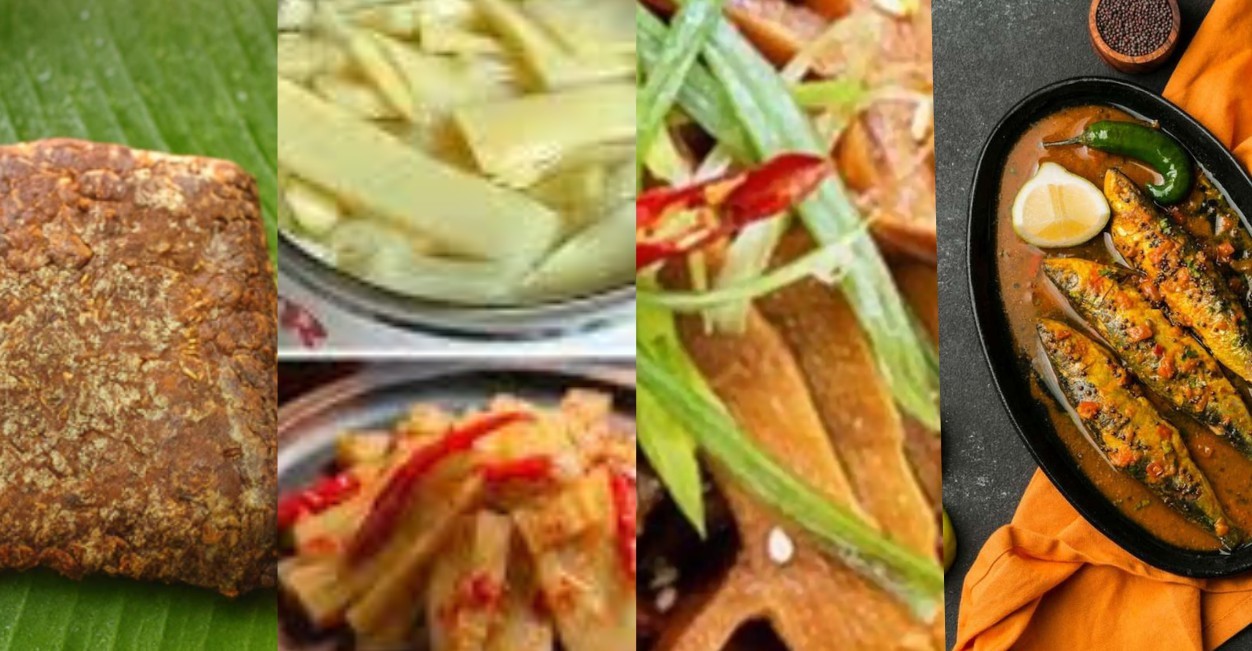
In Northeast India, cuisine is not built around indulgence or display. It is built around memory, climate, and survival — an essential cultural layer explored during immersive North East India tours.
Long before modern kitchens and global supply chains, communities across the region learned how to preserve food through fermentation, smoking, drying, and controlled use of fire. These techniques were not culinary experiments. They were responses to geography.
What emerged is one of the most distinctive food cultures in the subcontinent, deeply local and proudly resistant to homogenization — often experienced as part of an Assam cultural tour.
tea
Fermented foods are not occasional here. They are foundational.
Soybeans, bamboo shoots, fish, and leafy greens are transformed slowly, often over weeks or months, into ingredients that carry both flavor and familiarity.
Axone and the Language of Comfort
In parts of Nagaland and Assam, fermented soybean preparations such as Axone form the backbone of everyday cooking. To outsiders, the aroma can feel confronting. To locals, it signals home.
Axone is cooked with minimal intervention. Often just oil, chillies, and fire. It is not meant to be diluted or softened for unfamiliar palates. Its strength is intentional.
This is a recurring theme in Northeast cuisine. Food is not adjusted to be liked. It exists to be understood — something experiential North East tour operators like Purvi Discovery consciously highlight through local food interactions.

Bamboo Shoot: Seasonality Preserved
Fresh bamboo shoot is available only briefly each year. Fermentation ensures it lasts well beyond the season. In fermented form, it appears in stews, curries, and side dishes across Assam, Meghalaya, and Manipur.
The flavor is sharp, earthy, and unmistakable. Bamboo shoot dishes are not designed to overwhelm the plate. They anchor it.
Smoke, Fire, and Protein Preservation
Smoking is one of the most important techniques across hill communities. Meat and fish are cured above hearth fires, absorbing smoke while drying naturally.
Smoked pork, dried river fish, and sun-cured meats are common, often rehydrated slowly during cooking. There is no hurry here. Flavor develops as time passes.
Fire is not just a heat source. It is an ingredient.
Rice as Culture, Not Just Staple
Rice in Northeast India is not monolithic. Each region grows, prepares, and consumes it differently.
Sticky rice varieties are common in Arunachal Pradesh and parts of Assam. Rice is steamed, pounded, fermented, and even wrapped in leaves. It appears in daily meals, ceremonial dishes, and offerings.
Rice connects food to ritual, agriculture to identity.
Rice Wine and Fermented Beverages
Across the Northeast, rice wine holds social and ceremonial significance. Known by different names in different regions, these beverages are fermented using locally prepared starter cultures made from herbs and grains.
Rice wine is shared during festivals, weddings, and community gatherings. It is not consumed for intoxication alone, but as an act of hospitality and belonging.
Drinking is communal. Often quiet. Always contextual.
Minimalism Over Excess
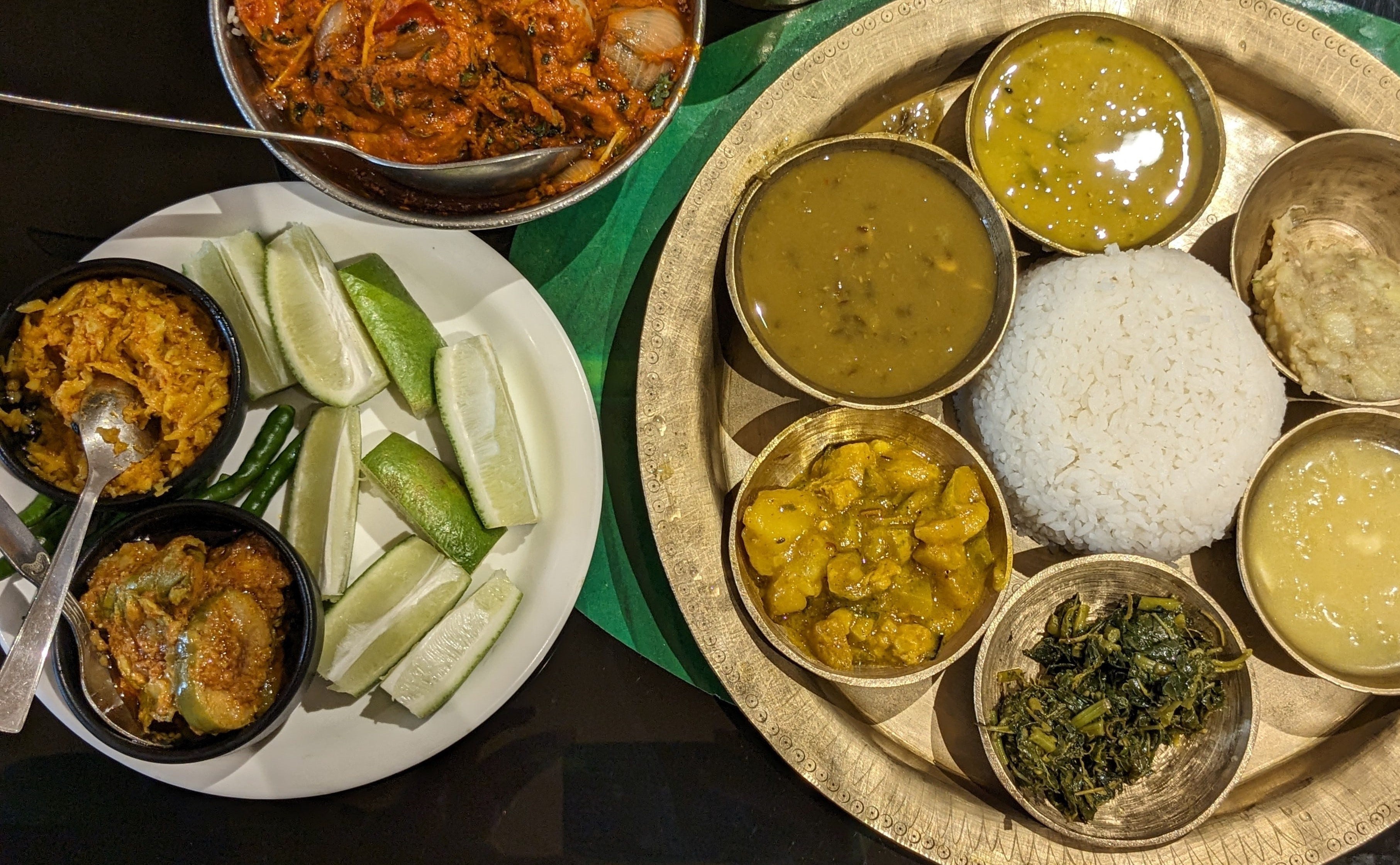
A Northeast meal is rarely elaborate in appearance. Plates are simple. Portions are measured. Ingredients are few.
This minimalism is not absence. It is precision.
Each element on the plate serves a purpose. There is little waste, little ornamentation, and no attempt to impress.
Why This Cuisine Speaks to Slow Travelers
For travelers accustomed to curated dining experiences, Northeast cuisine offers something different. It demands attention rather than admiration.
To eat here is to learn how food adapts to land, how communities preserve knowledge without writing it down, and how flavor can be a form of memory. This is cuisine that reveals itself gradually — a defining element of meaningful North East India tours.
How Purvi Discovery Approaches Food Travel
Purvi Discovery treats food as a cultural entry point, not an activity. Their journeys prioritize home kitchens, local markets, and conversations over restaurant hopping — setting them apart among responsible North East tour operators.
Travelers are invited to observe how meals are prepared, why certain ingredients matter, and how food fits into everyday life rather than festive display.
This is not culinary tourism. It is cultural participation, thoughtfully woven into every Assam cultural tour by Purvi Discovery.
In Northeast India, food is not meant to impress you. It is meant to ground you.