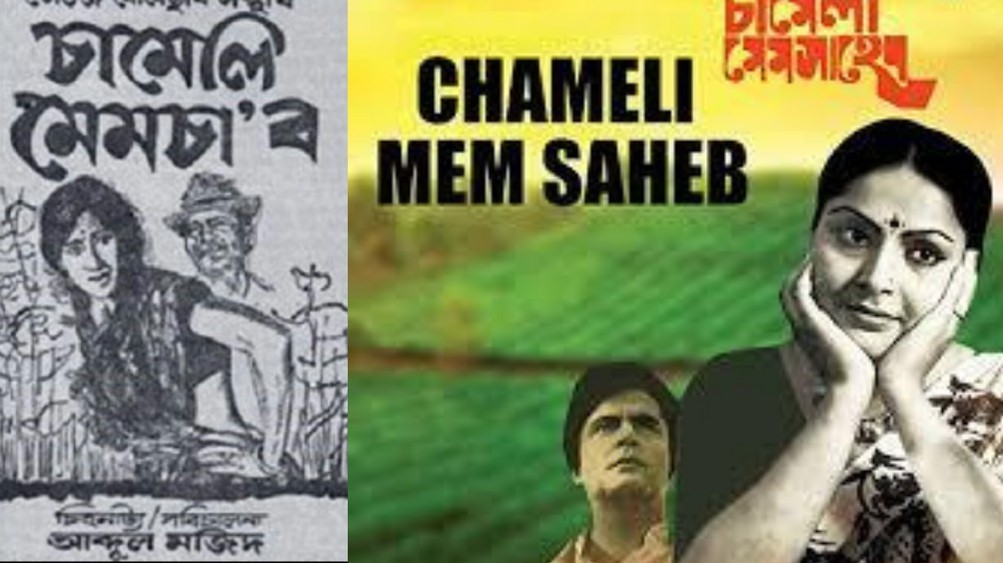
Chameli Mem Saheb
When you think of Assam, chances are the first image that comes to mind is tea. Rolling carpets of green, mist-covered mornings, and elegant colonial bungalows set among groves of ancient trees — the tea estates of Assam are not only the backbone of its economy but also the heart of its culture.
One story in particular captured the soul of these plantations and carried it into
Indian cinema: Chameli Memsaab. A Story Rooted in the Tea Gardens
Chameli Memsaab began as a short story by Assamese journalist and writer Nirode Choudhury in the late 1960s. Inspired by real life in the tea gardens of Doomdooma, his tale wove together love, longing, and the stark realities of plantation society.
When director Abdul Majid adapted it for film in 1975, the result was a landmark of Assamese cinema. The story of Chameli, a young Assamese woman, and her ill- fated romance with a British tea estate manager became not just a love story, but a portrait of the tea estates themselves — beautiful, layered, and full of unspoken tensions.
From Assamese to Hindi: A National Stage
Originally made in Assamese and Bengali, the film’s impact was so strong it was later remade in Hindi, carrying Assam’s tea gardens onto a wider stage. For many outside the region, this was their first cinematic glimpse of the misty romance of Assam’s plantations — places where history, culture, and daily life converged in quiet but powerful ways.
Through each version, the tea estate became more than scenery. It was a character in its own right, embodying both the grandeur of colonial architecture and the humanity of the workers whose labor gave the land its rhythm.
The Chameli Memsaab Bungalow in Jorhat
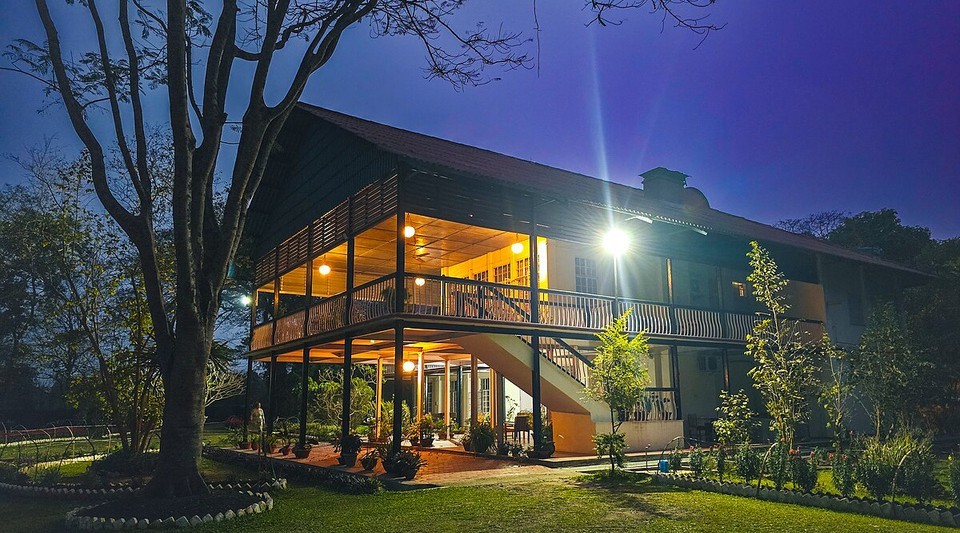
Travelers today can step directly into that world. In Jorhat’s Cinnamara Tea Estate stands Bungalow No. 3, now known as the Chameli Memsaab Bungalow. Built in 1906, this colonial-era residence became a filming location for the movie and has since been restored into a heritage stay.
With its sweeping verandahs, teak floors, and vintage cane furniture, the bungalow is a time capsule of tea estate life. Guests can sip morning tea while overlooking manicured gardens, wander through rows of tea bushes, and imagine the echoes of Chameli’s story in the air.
Experiencing Assam’s Tea Culture
Beyond Jorhat, Assam’s tea country invites travelers into experiences that are both luxurious and rooted in tradition:
Stays in heritage planter’s bungalows, restored with modern comforts but retaining old- world charm.
Walks through lush tea gardens, where the rhythm of plucking continues as it has for centuries.
Visits to tea factories, watching leaves transform into the malty brew Assam is famous for.
Evenings spent with tea tastings, storytelling, and the gentle quiet of the plantations. It is a world where every cup carries a story, and every estate a history.
Why Tea Estates Feel Cinematic
There is something inherently cinematic about Assam’s tea gardens: mist rising over the green slopes, silhouettes of pluckers at dawn, and the quiet grandeur of bungalows set among groves of trees. Chameli Memsaab captured that aesthetic because it was drawn from truth — the lived experiences of those who called the estates home.
Traveling here today is much the same: not just visiting a destination, but stepping into a story.
Conclusion: Chameli’s Legacy
Nearly five decades after its release, Chameli Memsaab still lingers in the imagination because it told a deeply human story against the backdrop of Assam’s tea estates. For travelers, that story remains alive.
To stay in the Chameli Memsaab Bungalow, to walk through the same gardens, and to sip the same tea is to experience Assam not as a passing tourist, but as part of its living heritage.
The romance of Assam’s tea gardens, first captured in literature and film, now awaits in real life — ready to be savored, one cup at a time.