Kaziranga in Flight: Exploring the Park’s Migratory Birds
Kaziranga National Park in Assam is celebrated worldwide for its one-horned rhinoceroses. Yet beyond these iconic giants, this UNESCO World Heritage Site reveals another wonder — a birdwatcher’s paradise, where migratory species arrive each winter from as far as Siberia, Central Asia, and Africa. For those willing to look skyward, Kaziranga offers experiences as compelling as its famous safaris.
A Symphony of Wings
Each season, Kaziranga’s wetlands and floodplains welcome more than 480 species of birds, from graceful waterfowl to rare raptors. The Brahmaputra’s oxbow lakes and tall grasses create the perfect resting grounds for these winged travelers.
Highlights include:
Flocks of geese and ducks — bar-headed geese, ruddy shelducks, and northern pintails.
Raptors on the prowl — Pallas’s fish eagle and greater spotted eagles.
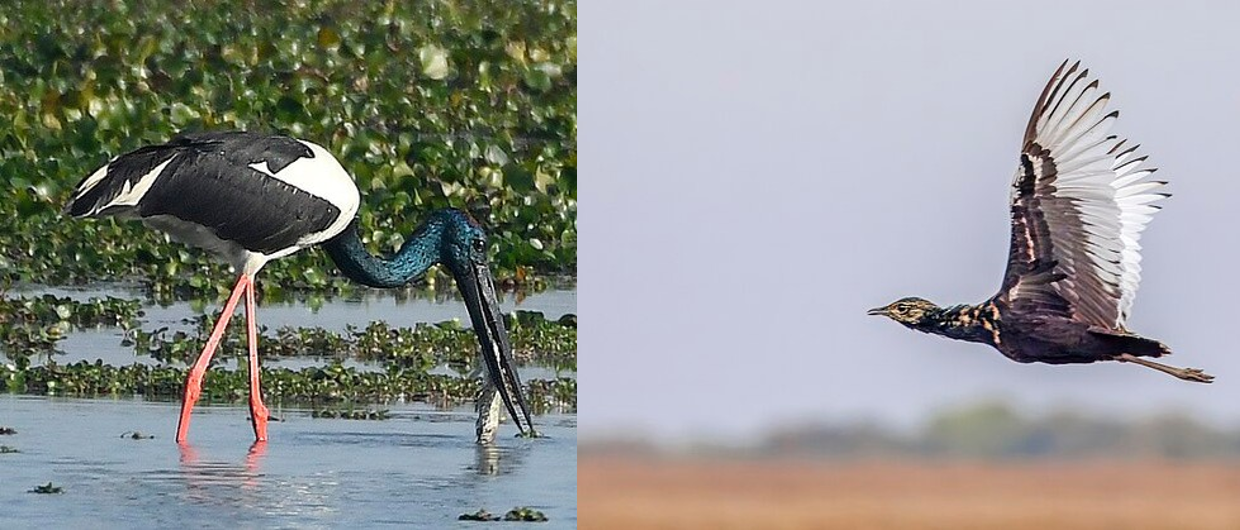
Storks and cranes — black-necked storks, adjutant storks, and lesser adjutants.
Endemic treasures — swamp francolin, Bengal florican, and marsh babbler.
The park’s birdlife changes with the months, but November to March is the season when migratory visitors bring a burst of color and sound to the landscape.
Beyond the Big Game Safari
For most visitors, Kaziranga is synonymous with rhinos, elephants, and tigers. But birdwatching adds a quieter dimension. A dawn safari might reveal rhinos grazing in misty grasslands, while overhead bar-headed geese fly in synchronized formation. By the water’s edge, herons, storks, and cormorants create a living rhythm that feels timeless.
Observing the park’s birds slows the pace of exploration, balancing the thrill of big- game spotting with the meditative joy of stillness.
Birding in Assam’s Wild Heart
What makes birdwatching here extraordinary is the sense of connection. Watching a fish eagle swoop down or seeing migratory geese rest along the floodplains links Assam to a vast ecological story spanning continents. For travelers who have explored birding in Africa or the Americas, Kaziranga offers a rare blend of big-game safaris and avian diversity in one biodiverse park.
When to Go
Best Birding Months: November to March.
Morning Safaris: Early hours are ideal for spotting both mammals and birds at their most active.
Different Ranges: Western, Central, and Eastern Kaziranga each provide unique habitats for varied species.
Travel with Purvi Discovery
Seeing Kaziranga through its birdlife is about slowing down and looking beyond the obvious. At Purvi Discovery, we make that possible through:
Expert naturalist guides who help identify species and share ecological insights.
Private safaris timed for the best birdwatching.
Comfortable eco-lodges and heritage tea bungalows near the park.
Permit assistance and logistics, handled seamlessly.
Curated itineraries combining birding with Assam’s tea culture, tribal traditions, or Brahmaputra cruises.
With us, birding in Kaziranga becomes more than an activity — it is a story of migration, resilience, and discovery.
Conclusion: Looking Beyond the Rhinos
Kaziranga’s rhinos may capture the spotlight, but its skies and wetlands tell stories just as powerful. Each winter, when migratory birds arrive, the park transforms into a living canvas of movement and sound.
For global travelers, these avian encounters reveal another side of Kaziranga — one where beauty lies not only in strength, but also in grace. And with Purvi Discovery, every journey goes deeper, blending wildlife, culture, and comfort into memories that linger long after the birds take flight.